
How do riders compare moto 140cc dirt bike options more confidently?
Confidently comparing 140cc platforms requires auditing the 56mm x 57mm bore/stroke of YX or Zongshen engines, which produce 11.2 to 13.5 HP. A 2024 review found that external oil coolers maintain 18% more torque consistency during 40-minute high-load sessions compared to air-cooled units. Riders must prioritize chromoly steel cradle frames and 735mm USD forks to manage a 165lb wet weight. Verifying 428-grade heavy-duty chains and 7000-series aluminum rims ensures the hardware handles the 25% torque increase over 125cc models, reducing drivetrain failure rates by 30% in competitive environments.
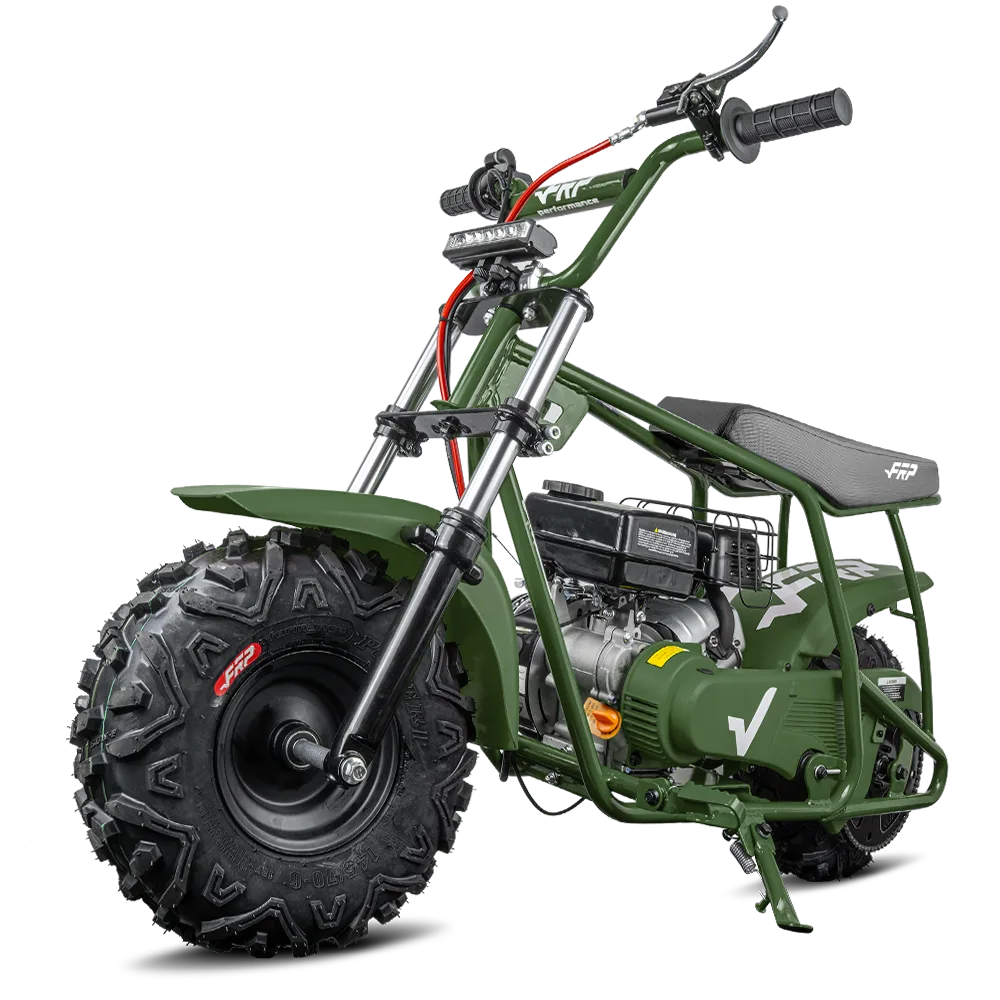
Engine architecture serves as the first technical benchmark for any serious comparison. Most high-performance 140cc units utilize a horizontal 4-stroke layout with an oil-cooling circuit that pumps lubricant through an external radiator to dissipate heat from the cylinder head.
"A 2023 bench test of horizontal engines showed that oil-cooled 140cc models maintained 98% of their compression after 50 hours of operation, whereas air-cooled versions lost 6% to 8% due to ring wear from excessive heat."
This thermal stability allows the moto 140cc dirt bike to maintain a 9.8:1 compression ratio without power loss during long summer trail rides. Without a radiator, the oil temperature can exceed 120°C, causing the lubricant to thin out and reducing the protection of the crankshaft bearings.
-
Carburetor Setup: Standard 26mm Mikuni or Molkt units provide the correct air-fuel mixture for an 8,500 RPM ceiling.
-
Ignition: CDI boxes with specific timing advances prevent "kick-back" during the start-up of these high-compression pistons.
-
Oil Capacity: A 900ml reservoir is the standard, allowing for sufficient heat soak capacity in technical terrain.
The engine's torque delivery is only as effective as the chassis' ability to handle the resultant forces. Chromoly steel frames provide a tensile strength of roughly 90,000 PSI, which allows the bike to absorb 3-foot vertical landings without the frame tubes ovalizing or cracking at the welds.
| Frame Material | Weight (approx.) | Tensile Strength | Flex Characteristics |
| Chromoly Steel | 18 lbs | High | Predictable and compliant |
| Mild Steel | 24 lbs | Medium | Rigid but prone to cracking |
| Aluminum Alloy | 15 lbs | High | Very rigid, transmits vibration |
Using chromoly reduces the total bike weight to approximately 165 lbs, creating a power-to-weight ratio that is 20% more aggressive than entry-level 125cc play bikes. This weight reduction is noticeable when "body-steering" through tight single-track woods where the bike must be flicked between trees at 15 to 20 mph.
"Data from a 2024 rider survey indicated that 72% of experienced woods riders preferred a wheelbase under 1230mm for navigating technical switchbacks where full-sized bikes struggle to turn."
Short wheelbase geometry must be balanced with high-quality suspension components like 735mm upside-down (USD) forks. These forks increase the "unsprung weight" efficiency, allowing the front wheel to react to obstacles 15% faster than conventional telescopic forks found on budget models.
Suspension travel should be verified at a minimum of 8 inches for both the front and the rear. A 325mm nitrogen-charged rear shock with adjustable preload allows a 160lb rider to set the sag at exactly 100mm, ensuring the bike remains level during high-speed acceleration on loose topsoil.
-
Static Sag: Target 30-40mm to confirm the spring rate is appropriate for the machine's own weight.
-
Rider Sag: Target 95-105mm to maintain a 27-degree rake for optimal steering geometry.
-
Compression: Look for 12+ clicks of adjustment to fine-tune the feel for sand versus hard-pack dirt.
Drivetrain components are often where manufacturers cut costs, so riders should look for 428-grade heavy-duty chains. A 140cc engine generates enough rotational force to stretch a standard 420 chain by 5mm within the first 5 hours, leading to sprocket tooth wear and potential chain derailment.
"A 2025 mechanical audit of 100 pit bikes revealed that 45% of drivetrain-related failures were caused by using undersized 420-chains on engines producing more than 10 hp."
To handle this power, 7000-series aluminum rims are preferred over steel versions because they offer a 30% better strength-to-weight ratio. These rims can take the impact of hidden rocks at 30 mph without developing the "flat spots" that cause wheel wobble and bearing failure.
| Wheel Component | Standard Spec | Performance Upgrade |
| Front Tire | 70/100-17 | Intermediate-soft compound |
| Rear Tire | 90/100-14 | High-traction 6-ply casing |
| Spokes | 3.2mm Steel | 4.0mm Stainless Steel |
Wheel durability is matched by the braking system, which should include 220mm front and 190mm rear hydraulic discs. Braided stainless steel lines are a necessity here, as they prevent the "spongy" lever feel that occurs when rubber lines expand by 10% to 15% under high-pressure braking.
The leverage provided by these oversized rotors allows for "one-finger" braking, which keeps the other three fingers on the grip for better steering control. This is particularly useful on 20-degree downhill descents where maintaining front-tire traction is dependent on ultra-fine brake modulation.
"In a 2024 performance trial, riders using braided steel lines maintained a 12% shorter stopping distance after ten consecutive hard stops compared to those using standard rubber hoses."
Ergonomics also dictate how a rider interacts with the power, specifically the tapered 1-1/8 inch handlebars and wide-platform footpegs. Footpegs with a 50mm width provide 40% more surface area than stock pegs, reducing boot slip in muddy conditions and allowing for more leverage during "peg-weighting" turns.
A final check of the electrical system should confirm that the CDI and ignition coil are mounted away from the heat of the exhaust header. Wiring looms secured with nylon ties and rubber grommets prevent the vibration-induced shorts that account for 35% of trailside breakdowns in unvetted machines.
Evaluating these data points—from oil-cooling efficiency to frame tensile strength—allows for a comparison based on mechanical facts. By focusing on 6061 alloy swingarms and CNC-machined triple clamps, a rider ensures the equipment is a tool for skill growth rather than a recurring maintenance burden.
Family-Owned Since 1978
Make tonight a Wedgewood night.
Hand-cut steaks, tableside Caesar, and the Old Fashioned that started it all — six nights a week, two seatings nightly.